This is an illustrative account of a typical participant experience, not a specific individual.
An immersive learning platform, in Sidestream's sense, is not software. It is a complete live delivery system: a scenario designed for your situation, professional actors who respond believably, facilitation that holds the room, rehearsal in waves, and a structured debrief. Each stage connects to the next so behaviour is practised under realistic pressure, not just described.
The email said only that I would be away from my desk for half a day and to wear something I could move in. No deck to pre-read, no module to click through. That alone told me this would be different from the usual training. What I did not understand yet was that the whole thing, from the first briefing to the moment I sat back down at work the following week, had been built as one connected system. Each part set up the next. Looking back, that design is the reason it stuck.
The briefing made failure safe
We started in a plain room with a facilitator who did not lecture. She set the frame instead. She told us what the scenario would involve, who the characters were, and what we were there to practise. She was honest about one thing in particular: this would feel real, some of us would get it wrong in front of the others, and that was the point. Nobody was being assessed. We were being given somewhere safe to fail. That promise mattered more than I expected, because it is what let me actually try rather than perform.
Then the actors arrived
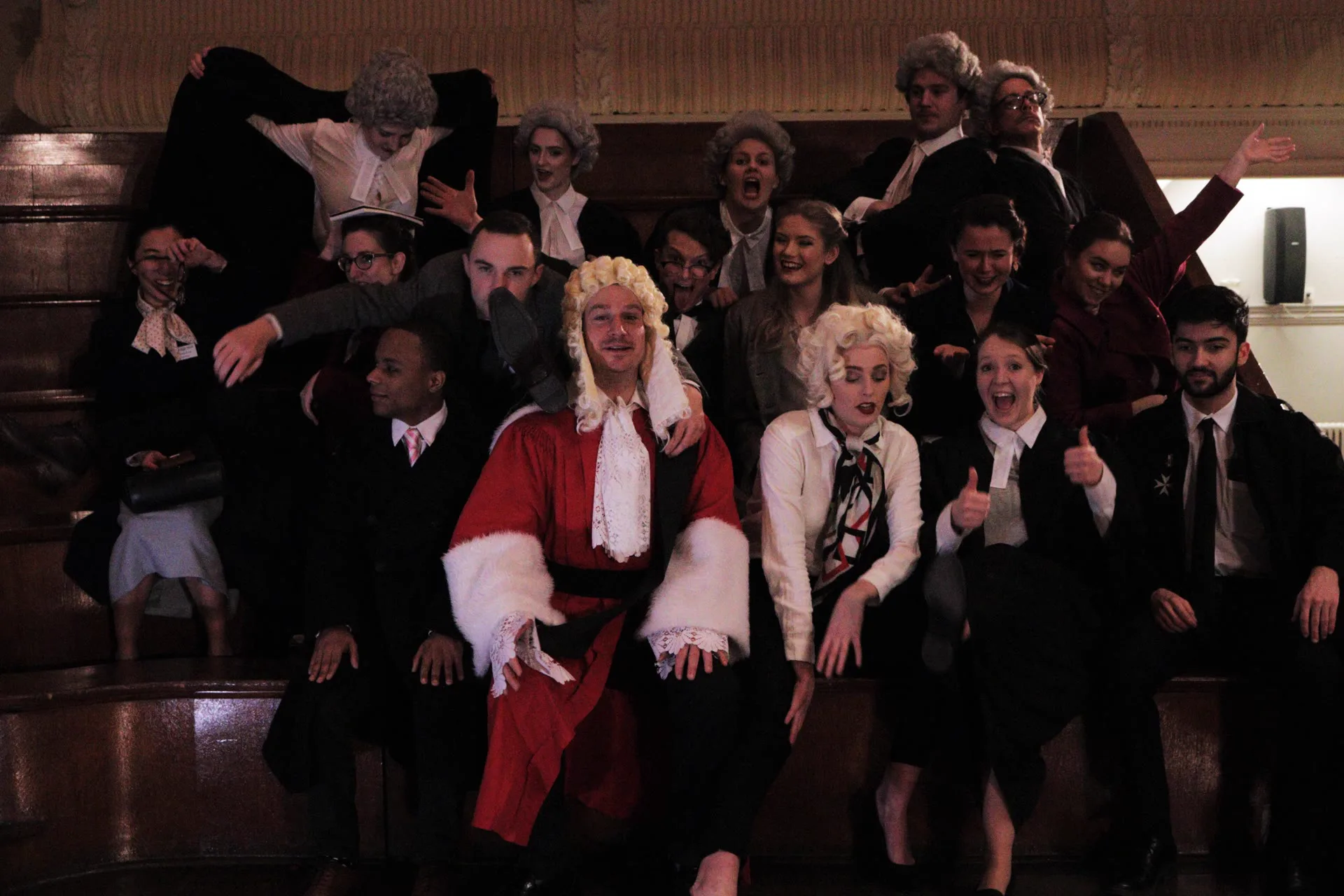
Then the actors arrived, and the temperature in the room changed. These were not colleagues reading from a script. They were professional performers playing a difficult conversation with a member of staff whose work had slipped. The character pushed back. He got defensive, then quiet, then sharp. When I chose my words badly he did exactly what a real person would do, and I felt it land in my stomach. There was no pause button and no obviously right answer. I had to make live decisions and live with them a second later. That is the part no slide has ever made me feel.
Practising in waves
What made it bearable, and useful, was that we practised in waves. I was not thrown in once and left to drown. We ran a short stretch of the conversation, then stopped. The facilitator asked what I had noticed, what the actor had noticed, what the rest of the group had seen that I could not see from inside it.
Then we ran it again, differently. I could test a new approach knowing the floor was still there. By the third wave I was not guessing. I was choosing, watching the effect, and adjusting. This is closer to how Sidestream describes simulation training: rehearsal under realistic pressure, repeated until the new behaviour starts to feel like mine rather than a technique I was told to use.
Feedback in the moment
The feedback was the quiet engine of the whole thing. It was specific and immediate, never a vague score at the end. The actor could step briefly out of character and tell me how a particular sentence had felt from the other chair, which is something a manager grading a role-play could never give me. My peers described what they saw in plain terms. None of it was cruel and none of it was empty praise. Because it arrived seconds after the moment, I could actually connect the feedback to the choice that caused it. That immediacy is what made it usable rather than just interesting.
The structured debrief
When the live work was done we sat down for a structured debrief, and this is where the experience turned from a memorable afternoon into something I could carry. The facilitator did not let us drift into general chat. She walked us back through what had happened and then lifted it: what was the underlying pattern, why had the defensive reaction appeared when it did, what would each of us do differently with a real colleague on Monday.
We named concrete actions, not good intentions. The organisational psychology underneath the design was visible here, building on the 2020 UCL study behind Sidestream's method, and you could feel the session reaching for the difference between understanding something and being able to do it.
So where does the word platform come from?
This architecture uses each method for what it does best.
Sidestream's own method description, not a research finding.
I should be honest about what this is and is not. It is not an app, a headset or a course I logged into. There was no software involved at all. What people call an immersive learning platform is, in Sidestream's hands, the complete live delivery system: the scenario designed for our exact situation, the professional actors, the facilitation that held the room, the rehearsal in waves, and the debrief that tied it together. The word platform fits because every piece is engineered to connect to the next, not because there is a screen anywhere.
The real test was back at work
The real test came back at work. A week later I had a version of that conversation for real, with an actual member of my team. I noticed myself slowing down where I would once have rushed. I noticed the defensive reaction arrive and I did not take the bait, because I had already felt it in the room and rehearsed my way through it. It was not perfect. It was noticeably better, and it was better in the specific ways we had practised. That is the honest measure of whether any interactive training worked: not how good the day felt, but what you do differently when nobody is watching and the stakes are real.
What stayed with me was how deliberate the whole sequence had been. The briefing made the failure safe. The live scenario made it real. The waves made it repeatable. The feedback made it specific. The debrief made it portable. Each stage handed something to the next, and by the end the behaviour had moved from an idea I agreed with to a thing I could actually do.
The Immersive Learning Platform: What Made It Work
There was no app, no headset and no course to log into. What people call a platform was, in practice, a complete live delivery system, and its power came from how deliberately each stage handed something to the next. The honest measure was not how good the day felt, but what I did differently a week later when the stakes were real and nobody was watching.
- The briefing made failure safe: this would feel real, some of us would get it wrong, and nobody was being assessed.
- Professional actors made it real, with live decisions and no pause button.
- Rehearsal in waves made it repeatable, and immediate, specific feedback made it usable.
- The structured debrief made it portable, naming concrete actions for Monday, not good intentions.